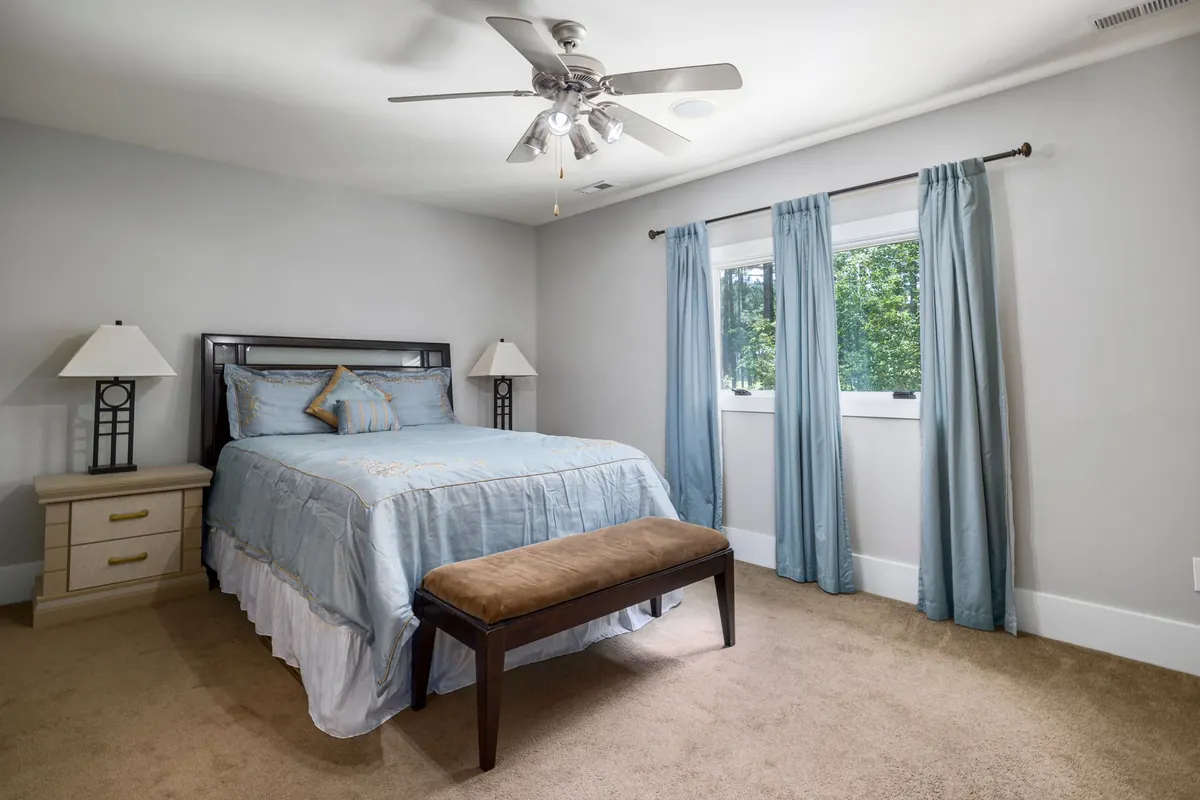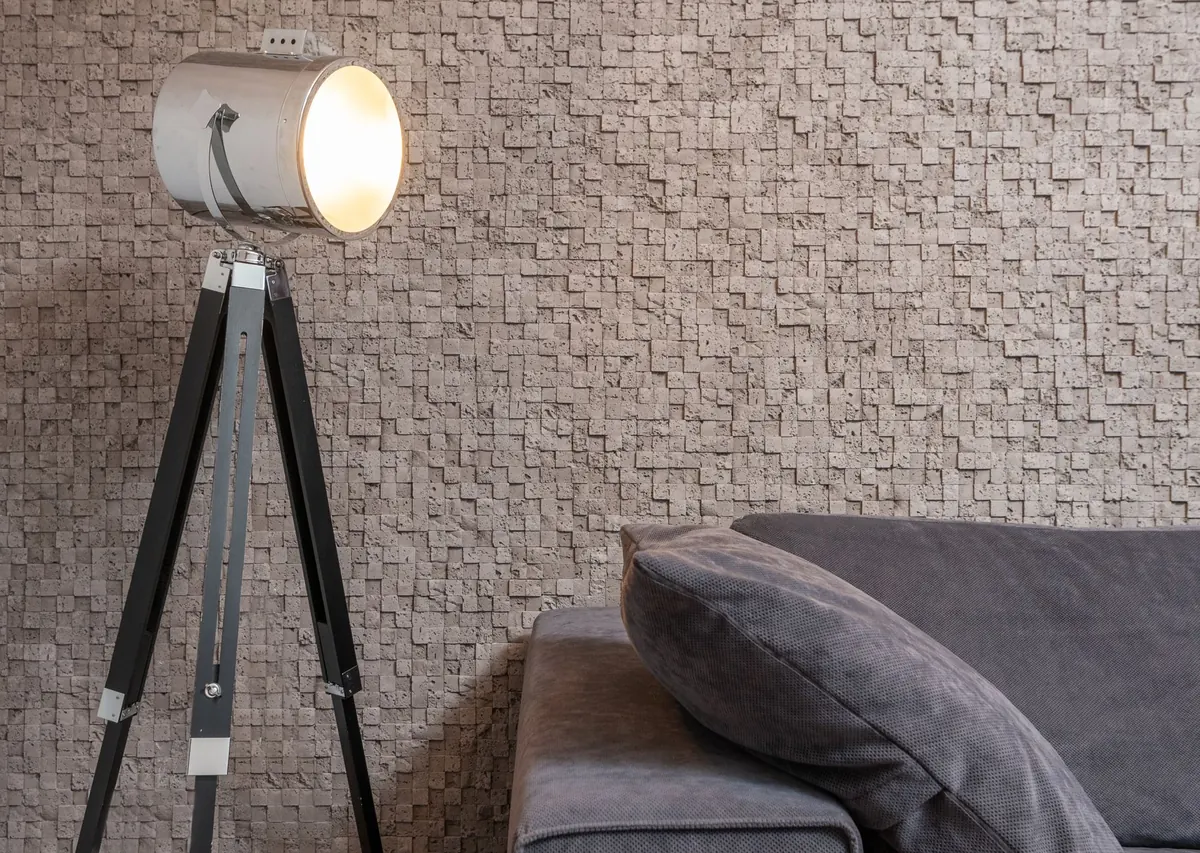
Some rooms pull you in the moment you step inside. Others feel like waiting rooms with better furniture. The difference rarely comes down to budget or square footage. It comes down to a handful of sensory cues — how light falls, what your hands expect to touch, and how the space is arranged around the people in it. Get those right and even a small rental flat can feel like a place you never want to leave. Get them wrong and a beautifully decorated room can still feel oddly cold.
Here is what is actually happening when a room feels cozy, and how to build that feeling on purpose.
We tend to talk about lighting in terms of brightness, but warmth matters more. Light has a color temperature measured in kelvin, and it runs from the cool blue-white of an overcast sky to the deep amber of a candle. Cool light — roughly 4000K and above — sharpens edges and makes rooms feel crisp, efficient, and a little clinical. Warm light, around 2700K to 3000K, softens skin tones, deepens wood grain, and makes cream walls look like they are glowing from within.
This is why a room can have lovely furniture and still feel unwelcoming at night: a single ceiling fixture blasting cool white light from above flattens everything and casts harsh shadows under the eyes of anyone sitting below it.
Cozy lighting is layered rather than centralized. Aim for at least three light sources in a living room, each at a different height:
Put the brightest bulb where you actually need it — over a reading chair, above a kitchen counter — and keep everything else gentle. A dimmer switch is one of the cheapest upgrades you can make to a room's atmosphere.
Check the label on the bulb, not the packaging of the lamp. You are looking for two numbers: kelvin (color) and lumens (brightness). For a living room or bedroom, 2700K with 400 to 800 lumens per fixture is a comfortable range. Warm-toned bulbs also make almost every paint color look richer, which is a freebie worth having.
Vision tells you a room is attractive. Touch tells you it is comfortable. Cozy rooms give your hands something to do — a nubby wool throw, a cool stone coaster, a worn leather armchair, a linen cushion that has softened after a few washes.
The trick is contrast. A room where everything is smooth and hard feels like a hotel lobby. A room where everything is soft and fluffy can tip into feeling cluttered and shapeless. Cozy is usually a mix: rough against smooth, matte against shine, heavy against light.
A simple formula that works in most rooms is to include something from each of these categories:
Repeat a texture once or twice per room so it reads as deliberate rather than random. Two wool cushions on a linen sofa, a jute rug under a wooden coffee table, a brass lamp on a ceramic side table. That is a room.
Square corners, glossy surfaces, and hard flooring create a lot of visual noise. Curves and soft edges quiet it down. This is not just aesthetic — a room full of hard, reflective surfaces echoes, and echo reads as cold even if you never consciously notice it.
Fabrics absorb sound. A rug that covers most of the floor, curtains that reach the floor rather than stopping at the sill, an upholstered headboard, a few cushions — these all muffle reflections and make conversation feel easier. If a room sounds hollow when you clap, it will feel hollow when you sit in it.
Cozy is not about adding more. It is about removing the things that make the room feel hard.
Furniture pushed flat against four walls makes a room feel like a corridor. People end up sitting far apart, shouting across the gap, with nothing to look at but empty space.
Instead, gather the main seating into a loose circle or L-shape, ideally anchored by a rug, and place it so knees are roughly two to three feet apart when people sit down. That distance feels conversational. Six feet apart starts to feel like a meeting.
Three practical moves that almost always help:
Sightlines matter too. A chair facing a blank wall is a chair nobody chooses. A chair with a view of a window, a plant, a bookshelf, or a fireplace gets sat in. Position your best seat so it has something to look at that is not a screen.
Color temperature applies to paint as well as bulbs. Warm colours — ochre, clay, olive, rust, deep cream, mushroom — absorb a bit of light and hold warmth against a wall. Cool greys and stark whites bounce light back and can read as chilly unless the room is flooded with sunshine.
You do not need to repaint the house. One warm-toned wall behind the sofa, or warm neutrals on the largest surface in the room, is often enough. If you love cool walls, balance them with warm wood, amber light, and plenty of texture. The room will meet you halfway.
If you want to test all of this in one sitting, try this on a normal evening. Turn off the overhead light completely. Switch on a lamp on either side of the seating area, then a third one further away. Put a throw within arm's reach of the sofa. If the floor is bare, add a rug or a thick pair of slippers. Slide the coffee table a little closer to the seats. Dim anything that hums or glares.
Sit for ten minutes and notice how your shoulders drop. Then adjust one thing that still feels hard — a bulb too cool, a corner too empty, a chair too far from the group. Cozy is rarely finished in a weekend. It gets built by small, repeated adjustments until the room quietly starts doing the work for you. If a room still feels wrong after all that, step back and ask what you actually do in it. Cozy is not a style. It is a room shaped around the way you live.
Photo: Max Vakhtbovych / Pexels