Every home has one: the corner that collects a dying houseplant, a tote of returns, and a charging cable nobody claims. It is usually about three feet wide, often near a window, and easy to ignore. That corner is a reading nook waiting for a plan.
You do not need a spare room, a renovation, or a designer. You need a chair you actually like sitting in, a surface for your tea, something soft for your legs, and light that lands on the page instead of in your eyes. Four decisions, in that order. Here is how to make them when space is tight.
Start with a tape measure and ten minutes of honesty. A reading nook needs room for the chair and room for someone to walk past it. In most rooms that means a footprint around 30 inches wide, with 24 to 30 inches of clear floor in front. Smaller corners still work; you simply lean toward slimmer furniture instead of a deep club chair.
While you are standing there, check the things you cannot fix later:
Note which direction you would face. Setting the chair at an angle across the corner, rather than flat against one wall, feels more generous and gives your shoulders breathing room.
The honest test is unglamorous: sit down with a book for twenty minutes. Feet should rest flat on the floor, or on a small footstool if the chair is tall. The seat edge should not press behind your knees. Your elbows should land on the arms at a height that still lets you hold a book comfortably, and the back should be tall enough to lean into when a chapter runs long.
In a small space, visible legs and a bit of open floor underneath make a chair read lighter. Skip skirted styles and oversized recliners that need clearance behind them to lean back. Measure the chair's full depth, then add the recline.
It only has to hold a mug, a book, your glasses, and a phone. A round top of roughly 14 to 18 inches is plenty, and the curve saves your hip in a tight corner. Set the surface level with the chair arm, or just above it, so you are not reaching down to find your tea.
If a conventional table will not fit, these alternatives do the same job:
Whatever you choose, add a small tray or shallow bowl. It corrals the mug, the bookmark, and the spare pair of reading glasses so the surface does not slowly disappear.
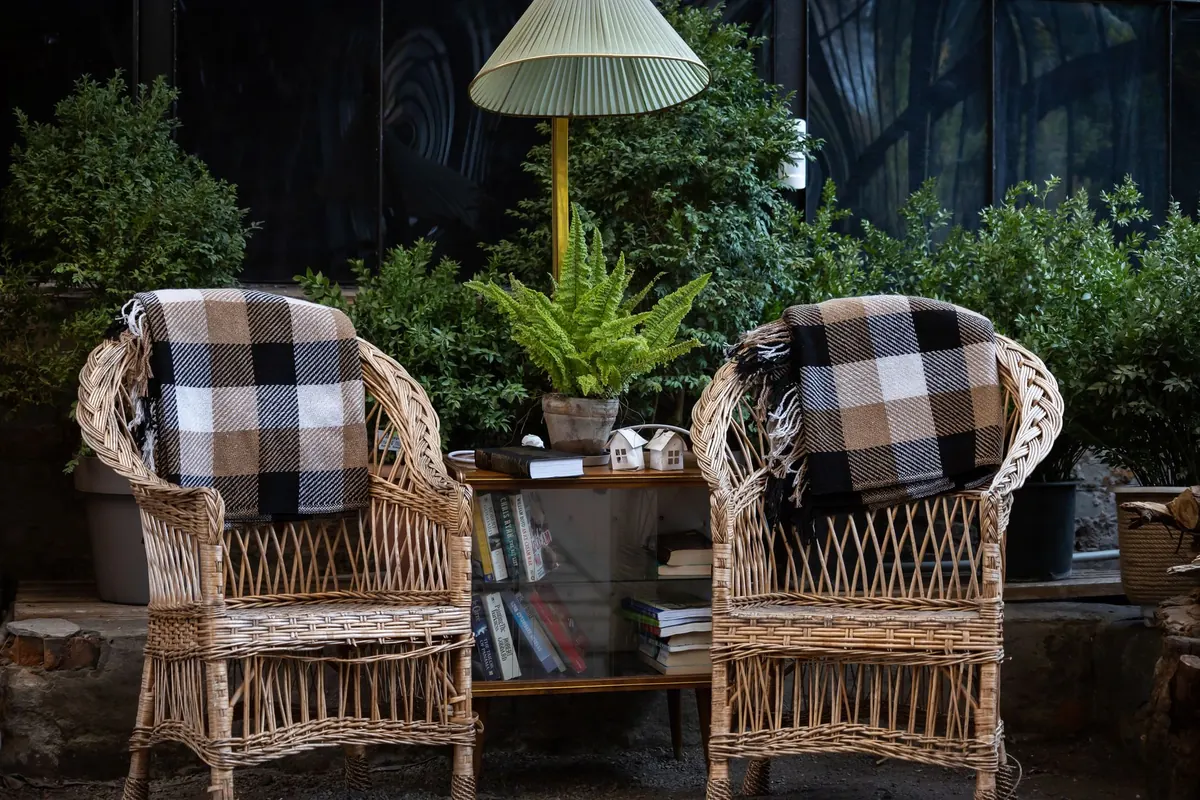
Textiles do most of the cozy work. A throw should be long enough to cover your lap and legs — around 50 by 60 inches works for most people — and soft enough that you actually use it rather than folding it into a decorative roll. Wool and cotton blends hold up well over years; fleece is inexpensive and warm.
Pick one accent colour already present in the room and repeat it in the throw or a cushion, so the corner looks intentional rather than assembled from leftovers. Add a small cushion behind your lower back if the chair needs more support, or a wedge if you like to lean back. A 2 by 3 foot rug, or a round one, will anchor the whole arrangement; put a non-slip pad underneath, and let the front legs of the chair rest on it.
Stop at two or three textures. One chunky knit, one smooth woven fabric, and one soft fleece is plenty.
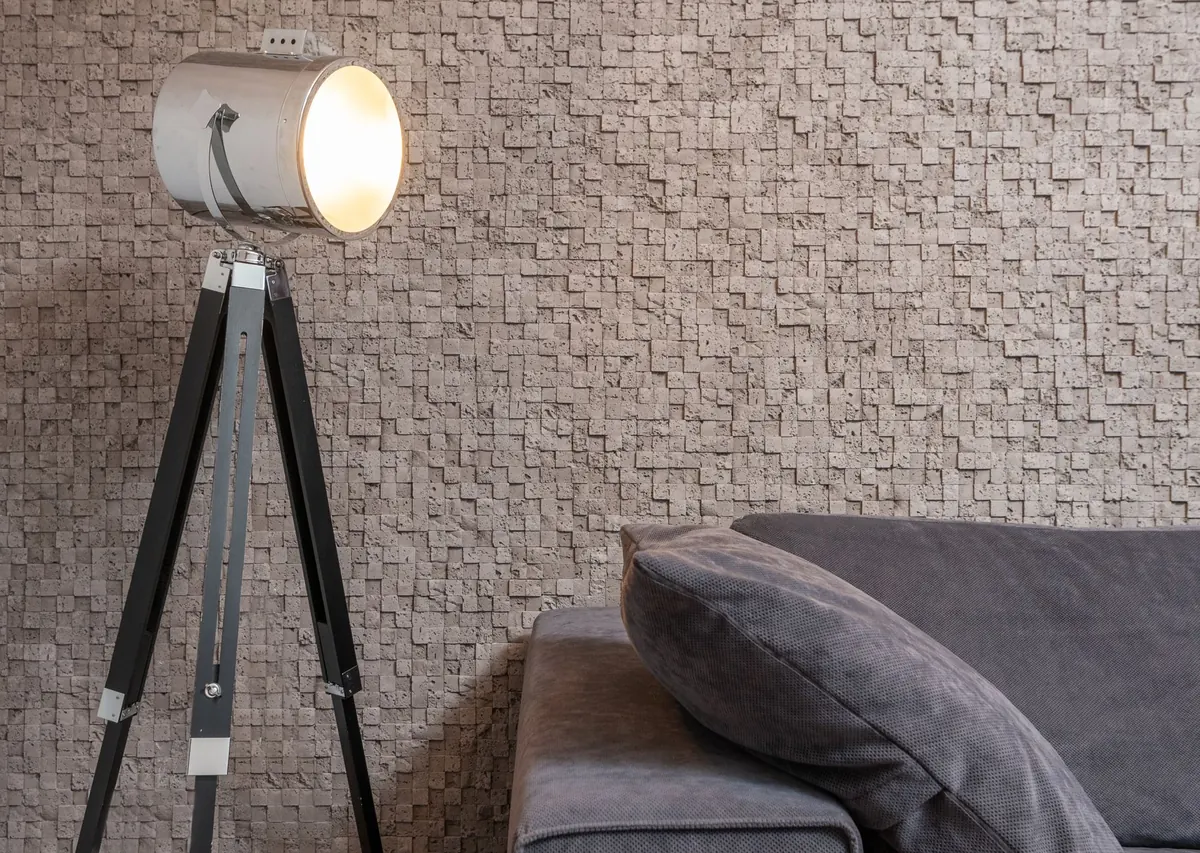
Overhead light flattens a room and drops the shadow of your own head onto the page. A lamp placed over your shoulder, angled toward the book, is what makes the corner usable after dark.
The shade should sit below eye level when you are seated, or tilt away from your face. A dimmer or a smart plug lets you drop the brightness as the evening winds down. If you find yourself squinting or getting headaches after a long reading session, adjust the light and your chair position first, and see an optometrist if it continues.
Give yourself one rule: nothing lives in the nook unless it belongs to reading. A small basket for magazines, a coaster, a bookmark. If the chair becomes the place you drop laundry or unopened post, it stops being a nook and goes back to being a corner.
Shop your own home first. Borrow a lamp from the bedroom, test the chair for a week, and only then spend money on what is missing. Then protect the habit — fifteen minutes with coffee in the morning, or twenty pages before bed. The corner becomes a retreat the first time you sit in it and turn a page.
Photo: Яна Леоненко / Pexels